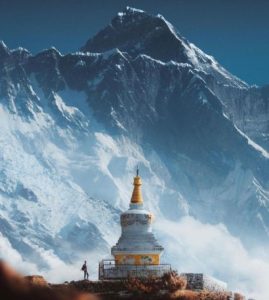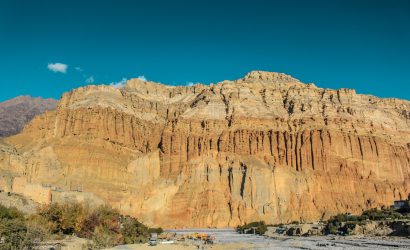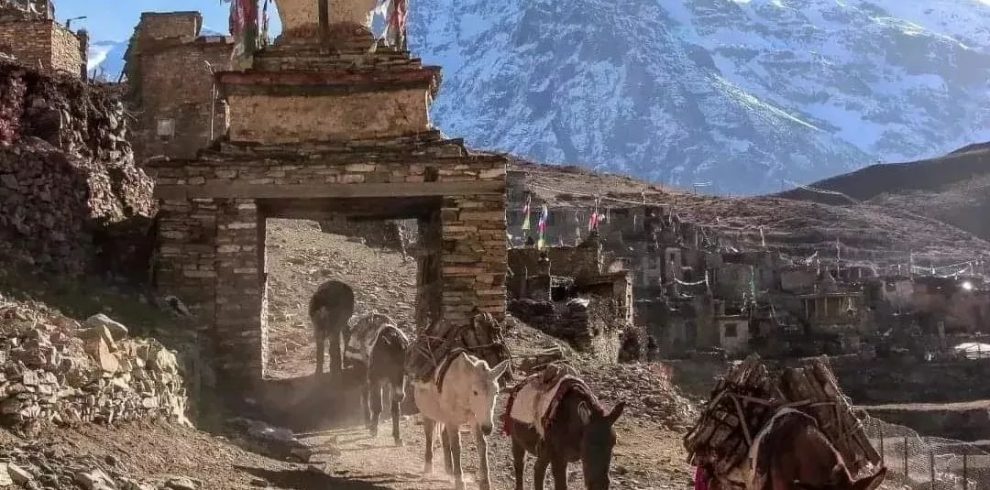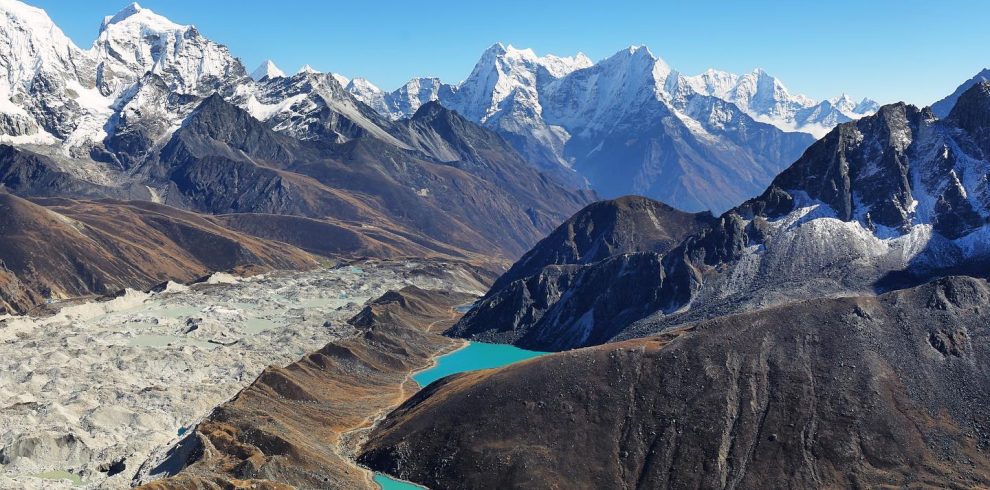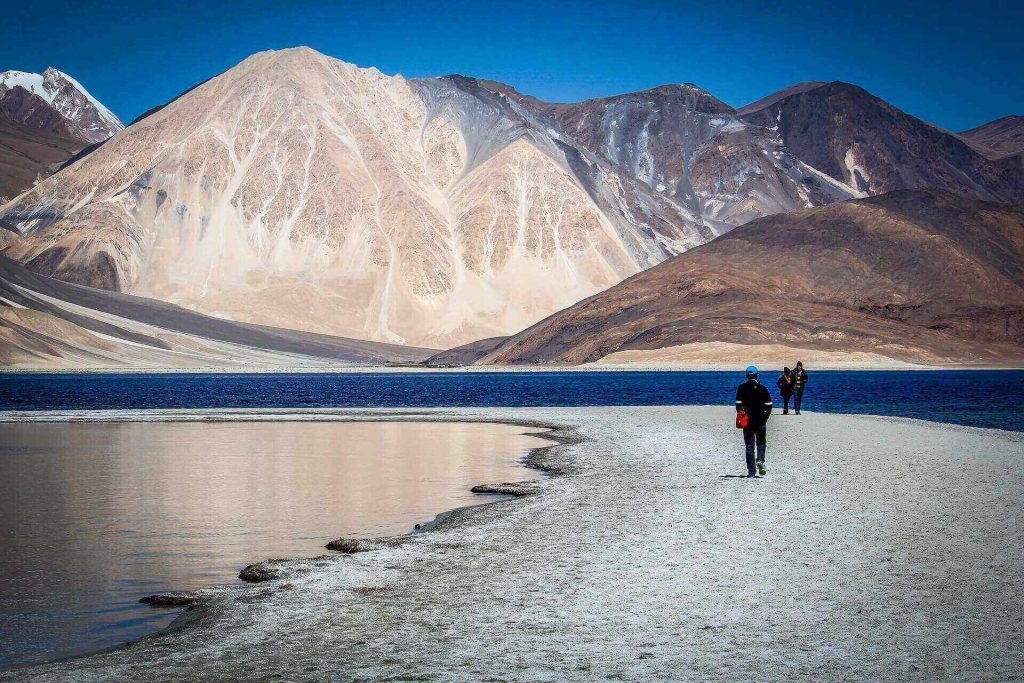
Upper Dolpo Trek offers something for everyone in a location that’s impossible to find on maps so this trek is also called the virgin trekking route of Nepal.
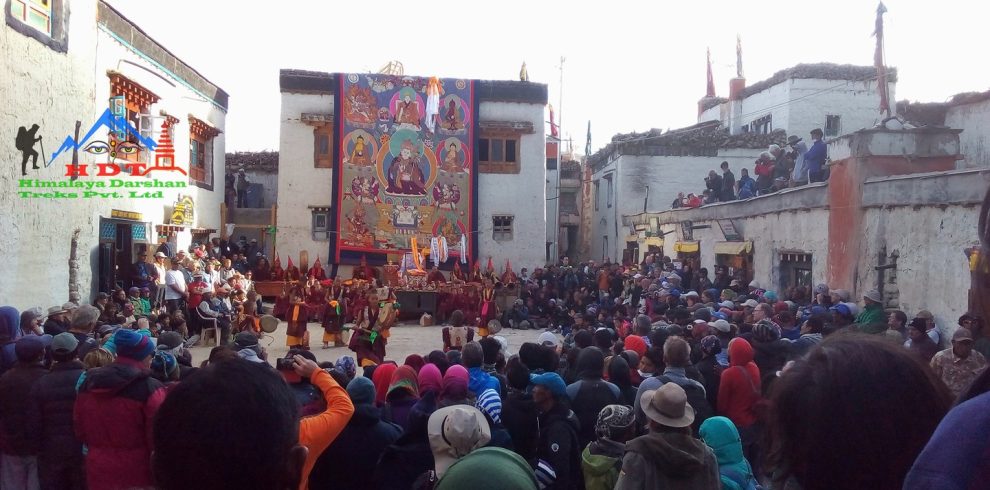
The area near the Tibetan plateau is uncharted, untouched, and rugged with numerous trails. The upper Dolpo region is distant from any tourist facilities and impacts of modern development. The oldest monastery, Shey Gompa, located in an isolated region, showcases the influence of Tibetan Buddhism. Observing the search for Yarchgumba, a destination for hikers who appreciate the beauty of nature and culture, as well as the importance of peace and serenity.
Beginning at a tiny airfield in Jufal and traversing petite, scattered communities with sights of abundant forest, varied plant life and wildlife, and multiple mountains, the dense forest leading us to Shey Phoksundo Lake. We spend our time near pure lakes, then climb Nagdala La (52509 m) to reach Shey Gompa (4343 m). It is home to an old monastery and the area where the film “Himalaya” received an Oscar nomination was filmed. After crossing Sela La (5095 m) and Jyanta La (5220 m), we finally arrive at the village in lower Dolpo.
This remote and empty journey through the wilderness is located in the rain shadow of Dhaulagiri, Chureni himal, Gurja himal, and several other mountains. There is a high probability of seeing snow leopards, Himalayan blue sheep, pheasants, wild asses, yaks, antelopes, and other animals. The location offers a fantastic experience for those who love wildlife.
The Kang-la pass (5306m) links Phoksundo valley to Shey gompa, serving as the trek’s highest point and offering stunning vistas of terrain and mountains. The trip to Shey gompa is enhanced by stunning vistas of nature, giving you a sense of tranquility and a special allure from the surrounding scenery.
Trekking in Upper Dolpo is an exciting and daring adventure.
Highlights of Upper Dolpo Trek
- Scenic view of the Upper Himalayas.
- Unspoiled Buddhist customs and way of life.
- Setting for the Oscar-nominated film “Himalayas” and the motivating force behind the book “The Himalayan Leopard”.
- Shey Phoksundo Lake in Nepal is known as the deepest lake in the country due to its peaceful surroundings.
- Trek past Mara La pass (5115 m) and Nagdala La (5353 m), surrounded by untouched mountains, plants and animals.
- Explore the wilds of Nepal and witness the lives characterized by lack.
Outline itinerary of Upper Dolpo Trek
Day 1: Arrive in Kathmandu (1350m).
Day 2: Trek preparation, Kathmandu sightseeing (1350m).
Day 3: Fly Kathmandu to Nepalgunj (150m).
Day 4: Fly Nepalgunj to Juphal (2475m), trek to Dunai (2140m, 3 hours).
Day 5: Trek Dunai to Chhepka (2687m, 6 hours).
Day 6: Trek Chhepka to Chunuwar/Amchi Hospital (3000m, 6 hours).
Day 7: Trek to Phoksundo Lake (3600m, 5-6 hours).
Day 8: Rest day at Phoksundo Lake (3600m).
Day 9: Trek Phoksundo to Sallaghari (3630m, 5-6 hours).
Day 10: Trek Sallaghari to Nangdala High Camp (4717m, 5-6 hours).
Day 11: Trek Nangdala H.C. to Shey Gompa (4343m) via Nangda La pass (5350m, 5-6 hours).
Day 12: Trek Shey Gompa to Namgung Gompa (4360m) via Shey La Pass (5100m, 6-7 hours).
Day 13: Trek Namgong Gompa to Saldang (3770m, 4-5 hours).
Day 14: Rest day at Saldang, hike to Yangjer Gumba (4590m).
Day 15: Trek to Komash Village (4060m, 6 hours).
Day 16: Trek Komash Village to Shimen (3850m, 6 hours).
Day 17: Trek to Tinje village (4110m, 5/6 hours).
Day 18: Trek Tinje Village to Yak Kharka (5/6 hours).
Day 19: Trek to Tokyu (5/6 hours).
Day 20: Tokyo to Dho Tarap (3944m) Rest day (5 hours).
Day 21: Dho Tarap to Naworpani (3475m, 5/6 hours).
Day 22: Naworpani to Lashicap (2775m, 6 hours).
Day 23: Trek Lashicap to Dunai.
Day 24: Trek to Juphal (5/6 hours).
Day 25: Fly Juphal to Nepalgunj, fly Nepalgunj to Kathmandu.
Day 26: Final Departure.
Detailed Itinerary of Upper Dolpo Trek
Day 1: Arrive in Kathmandu:
On your arrival at Tribhuwan International Airport, you will be received by our pleasant consultant, who will drop you off at your hotel in the Thamel district. After getting comfortable, you can begin with an off-foot excursion in Thamel, exploring its busy markets and coming across unique stores. Thamel is known for its shops and avenue carriers, who provide everything from trekking equipment to handicraft miniatures, rings, electronics, and plenty more Apart from shops, Thamel offers a wide variety of restaurants that cater to quite a few tastes.
You will have a welcome dinner at night along with our representative, who will brief you regarding the tour.
Day 2: Kathmandu Sightseeing and Trek Preparations
In the morning of our day 2 we will begin with our break fast and then go on a city tour. Your day commences with a half-day sightseeing trip in Kathmandu Valley. You will get to see two of the UNESCO World Heritage Sites:
Pashupatinath Temple: This Hindu temple committed to Lord Shiva is among the holiest locations in Nepal. You will get to see religious rituals being done, find the Sadhus—Hindu Holy Men—and experience different colors.
Boudhanath Stupa: This is the huge Buddhist stupa; it is one of the holiest pilgrimage sites. You will explore the Tibetan marketplace surrounding the stupa, see the people spinning the prayer wheel, and feel the tranquility in the atmosphere.
Later, the sightseeing tour will be followed by your return to the hotel for final preparations for the Upper Dolpo trek. This includes packing up your gear, sorting out your itinerary, and finalizing the last-minute details with your trekking agency.
You are now free for the remainder of the evening to relax, visit Thamel, or enjoy a farewell dinner.
Next, you are going to take a flight to Nepalgunj, the entrance to the far Upper Dolpo region.
Remember to pack warm clothes, sturdy hiking boots, and other standard gear for the hike.
Note: There are seven UNESCO World Heritage Sites in Kathmandu Valley. If time allows, you can pay a visit to Swayambhunath Stupa, Kathmandu Durbar Square, Patan Durbar Square, Bhaktapur Durbar Square, and Changunarayan Temple.
Day 3: Kathmandu to Nepalgunj
After a leisurely breakfast at your hotel in Kathmandu, you’ll be picked up and transferred to Tribhuvan International Airport.
You will board a domestic flight for Nepalgunj, the city lying in western Nepal. The flight takes approximately 50 minutes with the Ariel views of Himalayan ranges. Upon arrival in Nepalgunj, you will be met by your trekking guide and transferred to your hotel. The rest of the day is free to relax and prepare for the trek.
You are going to spend the night in a hotel in Nepalgunj. This will not only give you a sound night’s sleep but also allow your body to acclimatize to the change in altitude and climate. The next day you will take a scenic flight to Juphal. It is considered the gateway to the Upper Dolpo region.
Always keep in mind that you should travel light on the plane and carry only the most important things with you, like sunscreen, a hat, and sunglasses.
Day 4: Fly to Juphal and Trek to Dunai
After breakfast, you will be driven to the Nepalgunj airport for your flight to Juphal. The views of the Himalayas on this flight are breathtaking. The Dhaulagiri and the Annapurna range provide an excellent backdrop.
Upon arrival at Juphal, you meet your trekking guide and porters. This starts with a descent to the Kalagauda village following the Thuli Bheri River. From this point, you view terraced fields and chances of encountering local villages.
From here, it is about 3-4 hours of trekking before one reaches Dunai, Dolpo’s administrative center. The village in itself is an insight into the culture and lifestyle.
You will spend the night at a guesthouse in Dunai, which will give you time to rest and acclimate yourself to the altitude.
The next day, you’ll further head up to the far-flung villages of Upper Dolpo.
Remember to pack lightly but carry water, snacks, sunscreen, and a hat with you.
Day 5: Trek to Chepka: Enter the Shey Phoksundo National Park
Today would be your first day of trek into the remote and pristine Upper Dolpo region. You leave behind the familiar landscapes and immerse yourself in the natural beauty of this untouched area.
After a hearty breakfast, you’ll leave Dunai to head out on a trek to Chepka. The trail commences with the old trekking route towards Dolpo, and you have an opportunity to glimpse the local lifestyle.
You will pass the Silughar check post from where you have to show your trekking permits. The entrance into the Shey Phoksundo national park is from here. This is a newly declared national park and is famous for its value in biodiversity and cultural heritage.
Phoksundo River Trail. The trail follows the bank of the Phoksundo River. In the course of the trek, trekkers enjoy the picturesque views of the mountain sceneries. It takes hours to reach the real Sherpa and Tibetan culture manifested in the villages of Kageni, Jutung, and Shangta.
To this destination, a few hours of crossing and hiking will definitely drop you in Chepka. It is a small mountain village that seems to be located right into the roots of the mountains, thus providing a very quiet and tranquil kind of aura to rest and relax after a decent day’s trek.
Stay overnight in a local guesthouse within Chepka. It’s just a simple comfort of mountain life. And, tomorrow starts the way towards the “heart” of Upper Dolpo, where destination Shey Phoksundo Lake waits.
Get a good sleep, for tomorrow will be one of the tremendous highlights of the trek.
Day 6: Chepka to Chunuwar/Amchi Hospital
This morning, you will continue the trek along the Phoksindo River and explore the remote and pristine beauty of Upper Dolpo.
After a good breakfast, you will leave the Chepka camp and start the journey towards Chunuwar. The trail goes along the Phoksundo River and attractivenesses of surrounding mountains visible.
You will cross the Phoksundo River twice within a day. You will be able to get a closer view and thus feel the power and beauty of this glacial river. On the downhill slope, there are forests of firs, birch, and rhododendrons, and the route is always in sight of local wildlife.
After several hours of walking, you will reach Chunuwar. Here you can find the Amchi Hospital, which offers the local population traditional Tibetan medicine. You pay a visit to the hospital and know more about traditional healing techniques that date back to several hundred years.
Stay overnight in a guesthouse or camp near the Amchi Hospital. The remoteness of the place coupled with the clarity of the night sky is an opportunity to witness the serenity of Upper Dolpo.
The following day, you will head deeper into Upper Dolpo, where the legendary Shey Phoksundo Lake awaits your presence.
Do not forget to bundle up with warm clothes for the nights that can get cold at this altitude.
Day 7: Trek to Phoksundo Lake
Today is a long-awaited day that will take you to the magnificent site of Phoksundo Lake, arguably one of the most beautiful places in the Upper Dolpo region, glowing with a bluish and greenish hue in its heart.
After breakfast, you will start your journey to Phoksundo Lake by a rising ascending trail, soon to be tough again, but with excellent views over the whole mountain rim.
Here you shall be crossing the Phoksundo River several times, and by now you get to feel the mighty glacial river. As the trail weaves through blooming forests be alert to catch sight of wildlife in the area.
You shall finally get to Palam, a small village mostly regarded for its magnificent waterfall. Be sure to set some time aside for the view before you finally make the steep climb.
The final stretch to Phoksundo Lake is a hard proposition, though provides a great return for your efforts. As you climb further up, panoramic views of the lake and of the mountain landscapes are revealed to you. You will now helplessly be stunned by the sight of emerald green / blue waters of the Phoskundo Lake and the towering Kanjiroba Himal massif all around you. Camp by the lake for truly peaceful and virginal surroundings.
Camp overnight near Phoksundo Lake. The remembrance of the camping night near the splendid lake area is really mesmerizing.
The next day, you get to enjoy the beauty of the lake site. Utilize the day to explore the local area and the monastery over here.
Also, one should bear in mind that this is a cold place for the night at this altitude.
Day 8: Exploring Phoksundo Lake and Ringmo Village
The day is dedicated to exploring the magnificent Phoksundo Lake and the surrounding area, an experience of a lifetime to bring one closer to the natural beauties and cultural heritage of the region.
Start the day with a visit to the lovely village of Ringmo, an authentic Tibetan village and reflection of a day-to-day local lifestyle. Engage with the local people and visit the local monastery, all with the charming architecture of the stone houses.
After Ringmo visit, leave for Phoksundo Lake. Spend a casual walk around the lake, enjoying the turquoise water and mountain peaks from the scenic view at Phoksundo lake, Visit Tshowa Monastery, which is one of the oldest Bon monasteries located on the lake side. Learn about the ancient Bon Religion and get the essence of the monastery architecture.
Spend the day relaxing at the lake because of the peaceful atmosphere. Take short hikes or just simply enjoy the beautiful scenery.
Again spend a night camping in a magical place at Phoksundo Lake. There is much beauty from the star-filled sky and the tranquility of the surrounding area that is magical.
The next day, you will continue your journey towards Kagmara to explore much of Upper Dolpo. Do remember to keep hydrated and take precautions against the sun.
Day 9: Phoksundo to Sallaghari
Today is going to be a rather challenging, although most invigorating day of the trek, as you walk along the cliffs above Phoksundo Lake. The views of the lake are simply great, but it is the mountain scenery that is really sensational.
You will have a good breakfast, then leave behind this beautiful Phoksundo Lake to start your steep ascent towards Sallaghari. The path at first leads through the lake shore with fantastic views of the turquoise waters.
The trail then steeply ascends along the cliffs from where you can have a surreal view of the lake below; this stretch is one of the finest and most thrilling parts of this trek where the scenery is indescribably beautiful and the sense of adventure is actually exciting.
You descent through dense forests to Sallaghari. On the way, you come by old Sherpa villages and one can get insights into village life.
As soon as one reaches Sallaghari, the pine forest will surely present one with a refreshing change. The village is peaceful and offers quite some time to rest in silence from the day’s hike.
Rest for the night in a camp at height amidst the pine forest. Bask in the serenity of the evening while catching the beauty of mountains all around from top vantage points.
You will further continue your journey towards the land of Upper Dolpo region to the center of Shey Gompa.
Day 10: Trek to Nangdala High Camp
Trek to Nangdala High Camp with breathtaking views of the mountain all around, where another hard ascent is a very crucial part of your acclimatization.
You will enjoy good breakfast at Sallaghari, then you will leave for Nangdala High Camp. The trail rises along with the Tuk Kyaksa River and offers views of a remote untouched landscape.
You will cross the Tuk Kyaksa River several times and feel just how powerful and beautiful a glacial river can be. The trail gets increasingly steeper as it rises higher in altitude, needing greater levels of physical exertion.
After a few hours of ascent, you will reach Nangdala High Camp. The high camp is set up on a big rock slab, rather an exposed campsite, offering excellent views from every direction around to the mountains, including the imposing Kanjiroba Himal to the north.
Spend the night in a tent at Nangdala High Camp, acclimatizing to the higher altitude. Chilly nights, star-studded skies—experience of a lifetime.
Next morning, go to Shey Gompa via Nangda La Pass, a tough pass to cross.
Keeping yourself rehydrated, sun-guarded, and feeling your body acclimatize to the increased altitude becomes more than important.
Day 11: Cross Nangda La Pass to Shey Gompa
Today is the toughest day of the entire trek but also the most rewarding one, as it crosses the Nangda La Pass and finally reaches the core of the Upper Dolpo region. View-wise, this is going to be a very spectacular trek since it offers such views of the surroundings of the mountain as can be hardly found anywhere else. Leaving Nangdala High Camp:
After a sumptuous breakfast, you’ll start your way up to Nangda La Pass. The grade is very steep, and it’s a strenuous hike, but at the view point, its vista stretches out in a stunning panorama across the Himalayas.
The climb up to the pass is really tiring, but the views from top of the pass are simply electrifying. You will see the magnificent Crystal Mountain, Kagmara, right in front of you, the heart of Upper Dolpo region, and other soaring peaks.
You will start the descent down to Shey Gompa after crossing the pass. The path is rocky, steeply descending; however, it will be worth it. You will get to see some traditional villages of the Sherpas and know about their culture and lifestyle in this area.
Namely, upon arrival in Shey Gompa, you will meet the iconic monastery and astonishing beauty of the land around. It gives a quiet atmosphere and a wonderful opportunity to rest after the tough trek.
Stay overnight in the guesthouse or camp at Shey Gompa, where you will experience the peculiar atmosphere found in this remote and holy place.
Next day, you explore the region of Shey Gompa with a visit to Crystal Mountain.
Keep yourself well hydrated, protected from the sun, and listen to your body while acclimatizing to high altitude.
Day 12: Trek to Namgung: Cross Shey La Pass
Another hard but splendid walk as we continue with our trek trail towards Namgung, crossing the high pass of Shey La with amazing views of the Upper Dolpo region vistas and surrounding snowcapped mountain range.
Start the day by visiting the ancient monastery of Shey Gompa. Know about its rich history and cultural importance of this sacred place. You can also interact with the local monks to know more about their way of life. After visiting the monastery, you start trekking toward Namgung. The path, at the start, remains close to the Sephu Khola and offers clear views of the surroundings.
Climax the trek with a climb to Shey La Pass. This is a difficult set for travelers, but what awaits on the other end supersedes the efforts. Standing at the pass, you will behold the panoramic view of Crystal Mountains, Kanjiroba, among other Himalaya peaks. On reaching Namgung, you are sure to be welcomed by these age-old stone houses and the warm hospitality of the villagers. The village has a peaceful atmosphere and will provide you relaxation after the tiring trek.
Stay in the tents at the campsite in Namgung,enjoying the current views of surrounding mountains.
Next day, you will continue driving towards the remote village of Saldang. Remember to stay hydrated, protect yourself from the sun, and listen to your body as you acclimatize to the high altitude.
Day 13: Namgung Gompa to Saldang
As the trek continues into the remote regions of Upper Dolpo, on this day you will trek from Namgung Gompa to Saldang. This stage enables close observations of the traditional Sherpa and Tibetan way of life.
Visit the beautiful Namgung Gompa monastery, which lies in a cliff setting. Get a good understanding of the monastery’s history and cultural significance. After the monastery visit, you will begin your first day of trekking to Saldang. The trail turns off the Namga Khola, offering views of the surrounding mountains. The walk passes through traditional villages and sees local yak herders at their job with the herds. At Saldang, one is greeted by the peculiar view of arid land studded in between the hills. Engage and explore the village, converse with the local people, and taste local cuisines like salt butter tea or Chyang (barley beer). Camp in Saldang as one enjoys the serenity provided in this isolated village.
A whole day for you to familiarize yourself with the area of Saldang better and acclimatize even more to the high altitude.
Make sure you hydrate rightly, protect yourself from the sun, and listen to your body as you circumambulate around this region.
Day 14: Saldang Rest Day with a Hike to Yangjer Gumba
This is a day of total rest in Saldang, but one can also hike to Yangjer Gumba for acclimatization at high altitudes and a walk in the surroundings. After breakfast, we will hike to Yangjer Gumba for visits. Yangjer Gumba is one of the rich monasteries for the area. While hiking, there will be good views of the surrounding mountains and a chance to explore the local culture. You can explore the monastery and enjoy a packed lunch of your visit. After the climb/hike, return by trekking back to Saldang. The rest of the day can be utilized in exploring the village, interacting with the locals, or perhaps just hanging out.
Stay overnight again at the campsite for proper acclimatization of the body in such a high altitude atmosphere. The next day, move out above Shey Phoksundo Lake and camp another night before you descend towards the lower elevations.
Don’t forget to drink enough water and protect yourself from the sun, particularly on the hike to Yangjer Gumba.
Day 15: Trek to Komash Village
The trek from Saldang to Komash Village is again a significant upper Dolpo region connected with breathtaking mountain scenery and flavoring of Sherpa and Tibetan Culture. After good breakfast, you will leave Saldang behind to start the trek towards Komash. The trail looks up and down along the Rapyha Khola. Then after quite a demanding climb, you will reach Komash Village, a picturesque village wherein people still cling to their traditional culture and way of life. The village commands a breathtaking view of the mountains around and is very tranquil.
Stay overnight at a campsite in Komash and experience simple luxuries amidst mountain life. It is an excellent opportunity to stare at stars and be with nature. Next day, start uphill towards Kagmara, the last village before crossing the Kang La Pass.
Remember to keep yourself well hydrated and from protecting your skin from the sun; also, do not forget to pay attention to your body as you acclimatize to the height.
Day 16: Komash Village to Shimen Trek
Wakeup with the first rays of morning sun to start trekking from one of the remotest villages in the far western Upper Dolpo: Komash Village to Shimen. The trekking trail offers excellent views of towering mountains around and gives you some glimpses of the Sherpa and Tibetan local culture. While the drive is fine, after you have had a happy breakfast, check out and start the trek towards Shimen. The trail goes through a varied terrain of highland deserts and small villages.
Be careful, as this is one of the unique wilderness areas in the region, where you can still view elusive blue sheep and snow leopards. This country, far from human habitation, is just the right place for the rare animals to live. After hours of walking, the trekker will finally reach Shimen, a small, mediocre village up in the mountains. The village gives a still ambience, along with an opportunity to rest up in the day’s hike.
Spend a night camping in Shimen with amazing views of neighboring mountains. Use a clear starry night to have a feeling of the great outdoors. Tomorrow you will move ahead toward Tinje and trek more in the Upper Dolpo region.
Day 17: Trek to Tinje Village
The trek goes on through the Upper Dolpo region from Shimen to Tinje Village. The view on this day’s trail is simply fantastic, with breathtaking mountain scenery and insight into the inhabitants’ life related to Sherpa and Tibetan culture.
Today, you will leave Shimen after breakfast to continue the trek towards Tinje. The way forward lies along the Panjyang Khola and includes both ups and downs. You will get a feel for the village lifestyle by passing through them. Passing through terraced fields, running past traditional stone houses, and friendly locals along the way.
Finally, you reach Tinje after a few hours of trekking, an interesting village with a natural airstrip. There is simply breathtaking scenery around the mountains and actually a very calm atmosphere in the village. Make camp in Tinje for the night, leading a simple life in the mountains. Be treated to a star-filled sky, which is near to nature.
Next morning, once again retrace some of the previous day’s trekking portion to reach Shey Phoksundo Lake.
Day 18: Tinje to Yak Kharka
From Tinje, continue your journey through the Upper Dolpo region towards Yak Kharka. The trek presents great mountain views en route and a cultural insight into the Sherpa and Tibetan people living there.
After a good breakfast at Tinje, set out for Yak Kharka. The path forms a contour on the north banks of Panjyang Khola and traverses through ups and downs. You cross a tributary of Panjyang Khola, known as the Thalum Khola. The trail continues to vary across forests, grassy land, and rocky faces.
After hours of climb, you shall finally reach the high-altitude pasture land of Yak Kharka. The area is full of grazing yaks and sheep, a view that gives a meaning to the traditional nomadic lifestyle. Overnight at Yak Kharka at a campsite amidst the bewitching beauty of Upper Dolpo. The view is prepossessing with the stars in the night sky that let you stargaze and feel one with nature.
You’ll then set off towards Tokyu the following morning by crossing the scenic and challenging Choila North Pass. Remember to keep yourself well-hydrated, smeared, and sensitive to your body as it acclimatizes to the high altitude.
Day 19: Trek to Tokyu
One of the most challenging yet rewarding treks to Tokyu awaits you today. You will cross Choila North Pass, one of the major highlights of your Upper Dolpo adventure with breathtaking mountain vistas.
From Yak Kharka, you will have a good breakfast before commencing the steep, strenuous ascent up towards the Choila North Pass. The trail is quite steep and physically demanding, but the rewards are very great.
The climb is tiring, but the view from the pass is worth it. You get striking panoramas of the whole Upper Dolpo region from the summit, and the views of the Kang La range are simply exceptional.
Next, descend towards Tokyu after the pass. The trail is rocky and steep in parts, but with breathtaking views one gets compensated for the effort that one puts in. You will find old traditional Sherpa villages and understand the life associated with them.
Get introduced to the unique land of Upper Dolpo upon your arrival in Tokyu. This village offers a peaceful atmosphere that helps you unwind and relax your senses after this strenuous trek.
Move to Tokyu and overnight in a campsite under simple Mountain comforts. The clear night sky allows the chance to view stars streaking across the sky and reconnecting with nature.
Then, you will continue the journey toward Dho Tarap, which takes you to more of the Upper Dolpo region.
Remember to keep rehydrating, save yourself from the scorching sun, and equally, listen to your body as it acclimatizes to the high altitude.
Day 20: Trek to Dho Tarap and Exploration
Today, we head further ahead in Upper Dolpo region from Tokyu to Dho Tarap. Village of Dho Tarap, very beautiful village give the trekkers a very nice experience in this particular village life with the local Sherpa and Tibetan culture.
After taking heavy bites in the breakfast, we start the journey on trekking from the village towards Dhutruk. From the village of Tokyu our way today is the easiest and shortest one which will broaden the chances of witnessing the splendid landscape of surrounding.
After boarding on a plane to reach Dho Tarap, you will be in a very energetic village, decorated with hundreds of prayer flags. The settlement talks plenty about the traditional lifestyle of Sherpa and Tibetans.
Remaining day at Dho Tarap and visit local monasteries and the cultural sites around Dho Tarap by the friendly villagers performing some activity of the Tibetan culture. Appreciate the traditional Tibetan dance and music program.
Spend overnight at Dho Tarap; enjoy the simple life of the locals and the peace and tranquillity of a camp night.
Tomorrow you cross the inspirational Phoksundo Phedi Pass—the last of Upper Dolpo.
Be drinking regularly and use generous sun block. Listen to your body as you explore.
Day 21: Dho Tarap to Naworpani
The day will be spent trekking from Dho Tarap to Naworpani in Upper Dolpo. Today, the trail ascends steeply, offering magnificent mountain vistas and giving you a chance to get an insight into Sherpa and Tibetan culture.
After a good breakfast at Dho Tarap, leave for Naworpani. The path stays almost flat, following the Tarap Khola, its whereabouts involving ups and downs.
You will cross the Klang Khola, which is the tributary of Tarap Khola. Again, it proceeds through varieties of forests, grassy meadows, and rocky faces.
After several hours of hiking, you will reach Naworpani. This mountain village provides a peaceful atmosphere and the opportunity to relax following the day’s hike.
Spend the night in a campsite at Naworpani and enjoy simple comforts that mountain life has to offer. The clear night sky provides an opportunity for some stargazing in order to get in touch with nature.
Next day, you will be again on the road, pressing on toward the destination of Jengbise. That would be the last camp before the final and long journey to Nepalgunj.
Take plenty of fluids, keep yourself against the scorching sun, and most importantly, listen to your body while acclimatizing to such high altitudes.
Day 22: Naworpani-Lashicap
Make the most of the Upper Dolpo today as you trek from Naworpani to Lashicap. The vicissitudes of the landscape change-arid highland steppes and verdant forests.
Finally after breakfast this morning, you will leave Naworpani and commence your trek to Lashicap. Below, the trail is closer to the Tarap Khola, with increasingly stunning views of the mountains.
You feel dramatic changes in the landscape; lush green forests with varied greenery appear. This signifies the entrance into a much more diversified ecosystem.
You will cross the Lahini Odar, a tributary to the Tarap Khola. The path continues to wind its way through a variety of forests and open meadows.
After about a few hours of trekking, you will finally arrive at Lashicap. This village is located right in the middle of the mountains. The village itself will seem very quiet and peaceful, from which you can relax after the day’s trekking.
Camping for the night at Lashicap, you can experience the lesser delights of mountain life. The clear night sky is certainly enchanting and will help you with stargazing and making contact with nature.
And you will proceed further to Jengbise from this side of the river. That is your last point before you return to Nepalgunj.
Please, take care of the altitude so you are properly hydrated, use sunscreen, and listen to your body.
Day 23: Lashicap to Dunai
Trek from Lashicap to Dunai through the Upper Dolpo area; this will be the last day of your trek in this pristine and untouched land of Upper Dolpo.
You will have a good breakfast at Lashicap before leaving the camp. Then, you will start your trek towards Dunai. The route will pass along the Thuli Bheri River, and you will have continuous mountain scenery around you.
As you drop down to Dunai, you’ll pass through terraced fields and a green landscape with traditional villages unfolding before your eyes. You will go through the villages of Lawan and Byasgad en route to Dunai, feeling the local pulse.
Some time at Dunai will be offered to you so that your body relieves its exhaustion and reflects on this surreal experience of the Upper Dolpo adventure. This village is enabled with very basic facilities, exposing you to rural life.
Stay overnight in a guesthouse in Dunai, indulging in the luxuries of a slightly larger settlement compared to these remote villages you’ve been staying in.
Tomorrow, you fly back to Nepalgunj, which marks the end of your Upper Dolpo trek.
Do not forget to pack all your personal things for the flight and enjoy your last night in this remote region.
Day 24: Trek to Juphal
This is your last trek of the Upper Dolpo trek. You shall be descending to Juphal from where your trek ends.
Having a good breakfast, you will leave behind Lashicap and take the descent towards Juphal. The path follows Thuli Bheri River, providing beautiful views of the surrounding mountains.
You will trek through the Kalagawda village and have a look into the local lifestyle. Trekking down leaves you with even more vegetation, green and of various types.
Four hours and you are with your adventure starting point; Juphal and this is the conclusion of your trek but not the memories of this beautiful journey; get your final night in Juphal. Retire for the night in Juphal at a teahouse guesthouse, musing over today’s experience and sharing tales with fellow trekking companions.
Next day fly back to Nepalgunj and connecting flight to Kathmandu. Enough to conclude your Upper Dolpo trip.
Enjoy your last night in the mountains and savor the memories of the legendary journey.
Day 25: Juphal to Nepalgunj to Kathmandu
Good breakfast leads to your transfer to Juphal airport to step aboard your flight to Nepalgunj, which provides great picturesque views of the Himalayas and the remote Upper Dolpo region.
This will leave you with a few hours in Nepalgunj, where you can stroll the local market or relax at a café. Hunt for souvenirs, such as local handicraft items, or go for typical local foods.
This day you will catch an afternoon time flight to Kathmandu. It’s a scenic flight of about 50 minutes to Kathmandu flying low across the Nepalese countryside.
Once you land in Kathmandu, you will be met by your guide and then transferred to your hotel. You can rest throughout the evening and also walk around Thamel on your own. Or you can take a good rest before a farewell dinner.
You will be taken to a typical Nepali restaurant where dinner will be served. You will celebrate the successful completion of your Upper Dolpo trek by enjoying delicious Nepalese cuisine. Accompanying you will be your trekking comrades.
Here concludes your trek through Upper Dolpo! You go back home with indelible memories of a remote landscape, a unique culture, and a challenging trek.
Day 26: Departure from Nepal
Today is the last day of your Nepal adventure. You will have a leisurely breakfast at your hotel, followed by some time to explore lively Thamel in the morning. You can do some last-minute shopping, grab some local food, or you can just sit back and relax before you depart.
As your flight nears, you will be picked up from your hotel and transferred to Tribhuvan International Airport.
Check in for the flight and go through all the formalities for departure. While boarding the plane, take a moment to remember what incredible experiences you had in Nepal.
With a heart full of memories, now you start off on your journey back home. Those sceneries of landscape beauty, hospitality, and rich cultural experiences won’t fade out from your memory any sooner.
Upper Dolpo Trek Includes:
- Transportation to and from airports, both international and domestic, will be provided according to the schedule.
- 4 nights of hotel lodging in Kathmandu with twin room arrangement and breakfast included.
- 1 night stay in Nepalgunj hotel with twin sharing accommodation including Breakfast, Lunch, and Dinner.
- Professional tour guide fluent in English for sightseeing in Kathmandu.
- Cost of flying from Kathmandu to Nepalgunj and back to Kathmandu.
- Cost of flight from Nepalgunj to Juphal and back to Nepalgunj.
- Three meals per day will be provided while trekking at the tent Camp (Breakfast, Lunch & Dinner) as indicated in the itinerary.
- Lodging in a tent camp on a twin sharing basis during the trek.
- Restricted permit required for Upper Dolpo area.
- Permit required for entry into Lower Dolpo Restricted Area.
- Licensed English-speaking trekking guide with government certification.
- The necessary amount of porters needed to transport the baggage, provisions, and shelter while hiking.
- Sleeping bag and duffel bag will be used on the trek. Can be refunded upon completion of trekking.
- An extensive medical package.
- Every tax imposed by the government and local authorities.
Upper Dolpo Trek Excludes
- Air ticket prices for travel to and from Nepal on an international level.
- Currently, entry visa charges in Nepal are $30 for a 15-day visa, $50 for a 30-day visa, and $125 for a three-month visa upon arrival.
- Lunch and dinner in Kathmandu.
- Insurance that includes medical coverage, emergency evacuation, lost items, etc.
- Drinks like alcohol, water, and boiled water available for trekking.
- Any food and drinks outside of what is listed on the schedule.
- Additional overnight stay in Kathmandu is necessary in case of arriving early, departing late, or returning early from the mountain compared to the planned itinerary, for any reason.
- Gear and personal expenses.
- Advice and appreciation given to employees.